


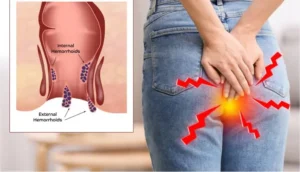
Causes of piles are often linked to constipation, straining during bowel movements, prolonged sitting, and a low-fibre diet. Piles (hemorrhoids) are swollen veins in the rectum or anus and are a common condition affecting millions of people. Understanding the causes of piles can help you prevent the condition and seek timely treatment.
In this article, we’ll discuss the most common causes of piles, who is at risk, how to reduce your chances of developing them, and when to consult a healthcare professional.
What Are Piles?
Piles are enlarged blood vessels in the lower rectum or anus. They may develop inside the rectum (internal piles) or under the skin around the anus (external piles). Depending on their size and severity, they may cause discomfort, itching, pain, swelling, or bleeding during bowel movements.
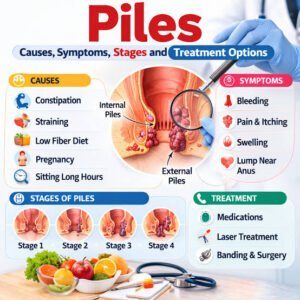
10 Common Causes of Piles
1. Chronic Constipation
Constipation is one of the leading causes of piles. Hard stools and excessive straining during bowel movements increase pressure on the veins around the anus, causing them to swell over time.
Tips to reduce constipation:
- Drink enough water daily.
- Eat fibre-rich foods such as fruits, vegetables, and whole grains.
- Stay physically active.
- Avoid delaying bowel movements.
2. Straining During Bowel Movements
Repeated straining puts significant pressure on the rectal veins. Even people without chronic constipation may develop piles if they regularly strain while passing stools.
3. Low-Fibre Diet
A diet low in fibre can lead to hard stools and irregular bowel movements. Fibre helps soften stools and supports healthy digestion, reducing the need to strain.
Good sources of fibre include:
- Oats
- Whole wheat
- Apples
- Guava
- Papaya
- Green leafy vegetables
- Lentils and beans
4. Sitting for Long Periods
Spending long hours sitting, especially on the toilet, increases pressure around the anal region. Office workers, drivers, and people with sedentary lifestyles may have a higher risk.
5. Pregnancy
During pregnancy, hormonal changes and increased pressure from the growing uterus can contribute to piles. Constipation during pregnancy may further increase the risk.
Pregnant women should always consult their healthcare provider before starting any medicine.
6. Obesity
Excess body weight increases pressure on the pelvic and rectal veins. Maintaining a healthy weight through balanced nutrition and regular exercise may help lower the risk.
7. Heavy Weight Lifting
Frequently lifting heavy objects without proper technique may increase abdominal pressure, contributing to the development of piles in some people.
8. Ageing
As people grow older, the tissues supporting the veins in the rectum and anus naturally become weaker. This can make piles more common in older adults.
9. Chronic Diarrhoea
Frequent loose stools and repeated irritation of the anal area may also contribute to the development of piles.
10. Family History
Some people may have a genetic tendency to develop weaker vein walls, making them more susceptible to piles.
Common Symptoms of Piles
Symptoms vary depending on the type and severity but may include:
- Bright red blood during bowel movements
- Pain or discomfort around the anus
- Itching or irritation
- Swelling near the anus
- A lump that may be tender or painful
- A feeling of incomplete bowel emptying
Persistent bleeding or severe pain should always be evaluated by a qualified healthcare professional, as these symptoms can have causes other than piles.
How Can You Prevent Piles?
Although piles cannot always be prevented, healthy habits can significantly reduce the risk.
- Eat a balanced, fibre-rich diet.
- Drink 2–3 litres of water daily (unless your doctor has advised otherwise).
- Exercise regularly.
- Avoid sitting continuously for long periods.
- Do not strain during bowel movements.
- Respond to the urge to pass stools without unnecessary delay.
- Maintain a healthy body weight.
Can Ayurveda Help Support Digestive Health?
Ayurveda emphasises healthy digestion, proper eating habits, regular physical activity, and balanced daily routines. Some Ayurvedic formulations are traditionally used to support digestive comfort and bowel regularity. However, treatment should be chosen based on an individual’s condition and under the guidance of a qualified Ayurvedic physician.
If you are looking for an Ayurvedic approach to piles management, you can also explore Pielsa Capsules from Atharv Ayurvedic Drugs. Always read the label carefully and consult a qualified healthcare professional before starting any new medicine.
When Should You See a Doctor?
Seek medical advice if you experience:
- Heavy or repeated rectal bleeding
- Severe pain
- A painful lump that suddenly appears
- Symptoms lasting more than a week despite self-care
- Fever or pus
- Unexplained weight loss or changes in bowel habits
Early diagnosis helps ensure that more serious conditions are not overlooked.
Frequently Asked Questions
What is the main cause of piles?
The most common causes include constipation, straining during bowel movements, a low-fibre diet, prolonged sitting, pregnancy, obesity, and ageing.
Can piles go away naturally?
Mild piles may improve with dietary changes, hydration, and healthy bowel habits. More severe cases may require medical treatment.
Does spicy food cause piles?
Spicy food does not directly cause piles, but it may worsen discomfort in some individuals who already have the condition.
Is walking good for piles?
Yes. Regular walking supports healthy digestion, helps reduce constipation, and may lower the risk of developing piles.
Can drinking more water help prevent piles?
Adequate hydration helps keep stools softer and may reduce straining during bowel movements, which is an important preventive measure.
Conclusion
Piles are common, but many of the underlying risk factors are manageable. Eating a fibre-rich diet, staying hydrated, exercising regularly, and avoiding excessive straining can go a long way toward reducing your risk. If symptoms persist or become severe, consult a qualified healthcare professional for appropriate evaluation and treatment.
Suggested Internal Links
- Ayurvedic Medicine for Piles | Causes, Symptoms & Ayurvedic Management
- Best Foods to Eat and Avoid During Piles (publish next)
- Can Constipation Lead to Piles? (publish next)
- Pielsa Product Page