



Ayurvedic medicine for piles is commonly explored by people looking for natural support for digestive wellness and better bowel habits.Piles, also known as hemorrhoids, are a common condition that affects the veins in the lower rectum and anus. They may cause discomfort, itching, pain, or bleeding during bowel movements. Factors such as chronic constipation, prolonged sitting, low-fiber diets, pregnancy, and excessive straining can increase the risk of developing piles.
Ayurveda focuses on maintaining healthy digestion, supporting regular bowel movements, and promoting overall digestive wellness through balanced diet, lifestyle practices, and traditional herbal formulations. In this article, you’ll learn about the causes, symptoms, Ayurvedic perspective, preventive measures, and natural ways to support digestive health.
What are Piles?
Piles are swollen or inflamed veins in the rectum or around the anus. They can be internal, developing inside the rectum, or external, forming under the skin around the anus. While mild cases may improve with healthy habits, persistent symptoms should be evaluated by a qualified healthcare professional to determine the most appropriate treatment.
Common Symptoms of Piles
- Pain or discomfort during bowel movements
- Itching or irritation around the anal area
- Bright red bleeding while passing stool
- Swelling around the anus
- A lump near the anal opening
- Feeling of incomplete bowel evacuation
- Discomfort while sitting for long periods
Common Causes of Piles
Piles may develop due to several factors, including chronic constipation, excessive straining during bowel movements, prolonged sitting, a low-fiber diet, obesity, pregnancy, lack of physical activity, and increasing age. Maintaining a healthy lifestyle and regular bowel habits may help reduce the risk of developing piles.
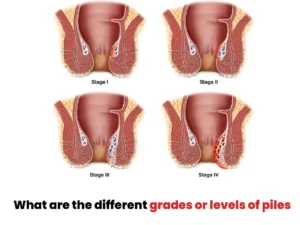
Types of Piles
Internal Piles
Internal piles develop inside the rectum and may not cause pain, but they can sometimes lead to bleeding during bowel movements.
External Piles
External piles form under the skin around the anus and may cause pain, itching, swelling, and discomfort.
Prolapsed Piles
In some cases, internal piles may protrude outside the anus. These are known as prolapsed piles and may require medical evaluation depending on their severity.
Ayurvedic Perspective on Piles
In Ayurveda, piles are traditionally known as Arsha. Ayurveda focuses on maintaining digestive balance, supporting healthy bowel movements, and improving overall wellness through proper diet, lifestyle practices, and traditional herbal formulations.
According to Ayurvedic principles, irregular eating habits, poor digestion, constipation, and an unhealthy lifestyle may contribute to digestive discomfort. Therefore, an Ayurvedic approach generally focuses on improving digestion, maintaining regularity, and following healthy daily routines.
Ayurvedic care should be followed with proper guidance, especially in cases of persistent symptoms or discomfort.

Diet Tips for Supporting Digestive Health During Piles
- Include fiber-rich foods such as fruits, vegetables, whole grains, and legumes.
- Drink adequate water throughout the day.
- Avoid frequent consumption of highly processed foods.
- Maintain regular meal timings.
- Choose foods that support comfortable bowel movements.
- Avoid excessive spicy or fried foods if they increase discomfort.
Lifestyle Changes That May Help Manage Piles
Along with diet, healthy lifestyle habits can play an important role in supporting digestive health and maintaining regular bowel movements.
Some helpful lifestyle practices include:
- Staying physically active through regular exercise.
- Avoiding prolonged sitting for long periods.
- Not delaying bowel movements when there is an urge.
- Avoiding excessive straining during bowel movements.
- Maintaining a healthy body weight.
- Following a consistent daily routine.
These habits may help improve digestive comfort and reduce factors that can contribute to constipation-related discomfort.

When Should You Consult a Doctor?
While lifestyle changes and Ayurvedic support may help promote digestive wellness, medical advice is important if symptoms are severe or persistent.
Consult a healthcare professional if you experience:
- Continuous bleeding during bowel movements.
- Severe pain or swelling.
- Symptoms that do not improve.
- Sudden changes in bowel habits.
A proper evaluation helps identify the cause of symptoms and ensures appropriate care.
Atharv Pielsa Capsule: Ayurvedic Support for Digestive Wellness
Atharv Pielsa Capsule is an Ayurvedic formulation by Atharv Ayurvedic Drugs designed to support digestive wellness and healthy bowel habits.
It is formulated using traditionally used Ayurvedic ingredients and can be included as part of a balanced approach that combines proper diet, hydration, and healthy lifestyle practices.
For best use, follow the directions mentioned on the product label. Individuals experiencing persistent discomfort, bleeding, or severe symptoms should consult a qualified healthcare professional.
Frequently Asked Questions About Piles
What are piles?
Piles are swollen veins in the rectum or around the anus that may cause discomfort, itching, swelling, or bleeding during bowel movements.
Can constipation increase the risk of piles?
Yes. Chronic constipation and repeated straining during bowel movements are common factors associated with piles.
Can diet help in managing piles?
A fiber-rich diet, adequate water intake, and healthy eating habits can support regular bowel movements and digestive health.
Is Ayurvedic medicine useful for piles?
Ayurvedic medicines are traditionally used to support digestive wellness. They should be used according to directions and professional guidance when required.
When should I seek medical advice?
Medical advice should be taken if there is persistent bleeding, severe pain, or symptoms that do not improve.