



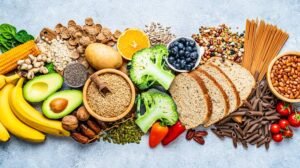
Eating the right foods for piles plays an important role in maintaining healthy bowel movements and reducing constipation, which is one of the most common factors associated with piles (hemorrhoids). A balanced diet rich in fibre, adequate fluids, and nutritious foods can help support digestive health and make stools easier to pass.
In this article, you’ll learn which foods are generally recommended, which foods may worsen symptoms in some people, and practical dietary tips to support overall digestive wellness.
Why Is Diet Important for Piles?
People with piles often experience discomfort during bowel movements, especially if stools are hard or difficult to pass. A diet rich in dietary fibre and adequate hydration helps soften stools and supports regular bowel movements, reducing the need for excessive straining.
Healthy eating habits may help:
- Promote regular bowel movements.
- Reduce constipation.
- Support digestive health.
- Improve overall gut function.
- Maintain a healthy body weight.
Best Foods to Eat During Piles
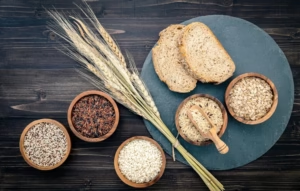
1. Whole Grains
Whole grains are an excellent source of dietary fibre.
Examples include:
- Oats
- Brown rice
- Whole wheat flour
- Barley
- Millet (Bajra and Jowar)
These foods can help improve stool consistency and support healthy digestion.
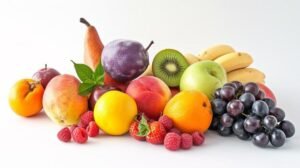
2. Fresh Fruits
Many fruits contain both fibre and water, making them helpful for digestive health.
Good choices include:
- Papaya
- Apples
- Pears
- Guava
- Oranges
- Bananas
- Figs
Try to eat whole fruits instead of fruit juices whenever possible.
3. Green Leafy Vegetables
Vegetables provide fibre, vitamins, and minerals that support overall health.
Recommended vegetables:
- Spinach
- Fenugreek leaves (Methi)
- Bottle gourd (Lauki)
- Ridge gourd (Turai)
- Broccoli
- Cabbage
- Carrots
Aim to include vegetables in both lunch and dinner.
4. Legumes and Pulses
Beans and lentils are rich in fibre and plant-based protein.
Examples:
- Moong dal
- Masoor dal
- Chickpeas
- Kidney beans (Rajma)
- Black gram
- Green peas
Increase fibre intake gradually and drink enough water to reduce bloating.
5. Nuts and Seeds
When eaten in moderation, nuts and seeds provide healthy fats and fibre.
Good options include:
- Flaxseeds
- Chia seeds
- Almonds
- Walnuts
These can be added to breakfast or snacks.

6. Plenty of Water
Water is just as important as fibre. Without enough fluids, increasing fibre intake may not provide the desired benefit.
Most healthy adults benefit from staying well hydrated throughout the day, though individual fluid needs vary. People with kidney disease, heart failure, or other medical conditions should follow their doctor’s advice regarding fluid intake.
Sample One-Day Diet Plan
Early Morning
- One glass of lukewarm water.
- One serving of papaya or soaked raisins.
Breakfast
- Vegetable oats or vegetable poha.
- One fruit such as an apple or guava.
Mid-Morning
- Coconut water or plain water.
- A handful of almonds or walnuts.
Lunch
- Whole wheat chapati.
- Dal.
- Seasonal vegetables.
- Salad.
- Plain curd (if suitable for you).
Evening Snack
- Roasted chana.
- Green tea or lemon water (without excessive sugar).
Dinner
- Vegetable khichdi or chapati with dal and vegetables.
- Light salad.
Before Bed
- A glass of water if appropriate for your daily fluid needs.
Lifestyle Habits That Complement a Healthy Diet
Along with choosing the right foods for piles, these habits can support digestive health:
- Walk for 20–30 minutes daily.
- Avoid sitting continuously for long periods.
- Do not delay bowel movements.
- Avoid excessive straining.
- Maintain a healthy body weight.
- Stay physically active.
Foods That May Worsen Piles Symptoms
There is no single food that directly causes piles. However, some foods may worsen symptoms in certain people by contributing to constipation or irritating the digestive system. Individual responses vary.
1. Highly Processed Foods
Processed foods are often low in fibre and may contribute to constipation when eaten frequently.
Examples include:
- Chips
- Instant noodles
- Packaged snacks
- Fast food
- Refined bakery products
Try replacing these with whole-food alternatives whenever possible.
2. Refined Flour (Maida)
Foods made with refined flour generally contain less fibre than whole-grain options.
Examples:
- White bread
- Pizza
- Burgers
- Cakes
- Pastries
Choosing whole wheat or multigrain products may help increase your daily fibre intake.
3. Deep-Fried Foods
Deep-fried foods are often high in fat and may be harder to digest for some individuals.
Examples include:
- Samosas
- Kachori
- Pakoras
- French fries
Eating these occasionally rather than regularly may support better digestive health.
4. Excessively Spicy Foods
Spicy foods do not cause piles, but some people with existing piles report increased discomfort after eating very spicy meals.
If you notice that spicy foods worsen your symptoms, consider reducing them temporarily.
5. Excessive Alcohol
Alcohol may contribute to dehydration in some situations. Staying well hydrated is important for maintaining healthy bowel movements.
If you drink alcohol, do so in moderation and ensure adequate water intake.
6. Sugary Foods and Soft Drinks
Foods and drinks high in added sugars often provide little fibre and may replace healthier, fibre-rich choices in the diet.
Limiting sugary beverages and desserts can support overall health.
Common Diet Mistakes to Avoid
Many people unknowingly make dietary mistakes that can affect digestive health.
Avoid these habits:
- Skipping breakfast.
- Drinking too little water.
- Eating very little fibre.
- Frequently consuming fast food.
- Ignoring the urge to pass stools.
- Sitting for long periods after meals.
Small, consistent improvements in daily habits often have a greater impact than short-term diet changes.
Can Ayurveda Support Digestive Health?
Ayurveda places strong emphasis on healthy digestion, balanced eating habits, and regular bowel movements. Along with lifestyle modifications and a fibre-rich diet, some people choose Ayurvedic formulations as part of their overall wellness routine.
If you are looking for Ayurvedic support, you can explore Pielsa Capsules from Atharv Ayurvedic Drugs. Always use medicines according to the label instructions and consult a qualified healthcare professional if you have persistent symptoms or underlying medical conditions.
Frequently Asked Questions
Which fruits are good for piles?
Fruits such as papaya, apples, pears, guava, oranges, and figs are good sources of fibre and can support healthy digestion.
Can bananas be eaten during piles?
Yes. Bananas are a source of dietary fibre and may help support regular bowel movements as part of a balanced diet.
Is milk good for piles?
Milk is generally well tolerated by many people, but tolerance varies. If dairy products cause digestive discomfort for you, discuss suitable alternatives with a healthcare professional.
How much water should I drink?
Fluid needs vary based on age, climate, activity level, and medical conditions. Most healthy adults benefit from staying adequately hydrated throughout the day.
Can diet alone cure piles?
Diet is an important part of managing digestive health and may help reduce constipation. However, treatment depends on the severity of the condition. Persistent bleeding, severe pain, or ongoing symptoms should be evaluated by a healthcare professional.
Conclusion
Choosing the right foods for piles can support healthy digestion, improve bowel habits, and reduce the likelihood of constipation. A diet rich in whole grains, fruits, vegetables, legumes, and adequate fluids, combined with regular physical activity, can make a meaningful difference.
If symptoms persist, worsen, or include significant bleeding or severe pain, seek medical advice promptly. Early evaluation helps ensure appropriate treatment and rules out other possible conditions.
Suggested Internal Links